Exploring the cultural significance of gambling across the globe
Historical Context of Gambling
Gambling has a rich historical context that extends back thousands of years, with evidence of its practice found in ancient civilizations such as China and Rome. In these cultures, games of chance were often intertwined with religious and spiritual beliefs, indicating a deeper significance beyond mere entertainment. For instance, in ancient China, tiles were discovered that were believed to be used for a game of chance dating back to around 2300 BC, showcasing the longstanding human fascination with risk and reward. Today, players at these establishments can find options like a fast payout casino to enjoy quick access to their winnings.

As societies evolved, gambling adapted to reflect cultural norms and values. In ancient Rome, gambling was popular among both the elite and common citizens, seen as a test of fortune and skill. Roman soldiers, for example, would engage in dice games during their downtime, using gambling as a way to bond and foster camaraderie. This historical interplay highlights how gambling has functioned as a social activity, serving to bring individuals together across various strata of society.
The role of gambling further evolved during the Middle Ages, where it became associated with nobility and the upper class. Courts and castles often featured games of chance, emphasizing the status of those who engaged in them. It wasn’t until the Renaissance that gambling began to flourish in commercial venues, leading to the establishment of the first legal gambling houses. This historical trajectory illustrates how gambling has continually adapted to the cultural and social landscapes of the times.
Gambling in Modern Society
In contemporary society, gambling has transformed into a multi-billion-dollar industry, with casinos, online platforms, and sports betting at the forefront. Modern technology has enabled unprecedented access to gambling, allowing individuals to place bets from the comfort of their homes or on-the-go through mobile applications. This digital shift has not only broadened the audience but has also influenced the way gambling is perceived culturally. For many, it has shifted from being a social activity to a solitary experience.
Additionally, the portrayal of gambling in popular culture, such as films, television shows, and literature, has shaped public perception significantly. Movies like “Casino Royale” and “Ocean’s Eleven” glamorize gambling, often presenting it as a thrilling and high-stakes endeavor. Such representations can influence attitudes towards gambling, creating a dichotomy between the allure of potential riches and the risks associated with addiction. This cultural narrative complicates how society views gamblers, often romanticizing their lifestyle while ignoring the underlying issues.
Moreover, social acceptance of gambling varies dramatically across different regions. In places like Las Vegas and Macau, gambling is celebrated as a form of entertainment and a significant economic driver. Conversely, in countries where gambling is restricted or illegal, it is often viewed through a lens of morality, leading to underground operations and a focus on regulation. This disparity underscores the complex relationship between gambling, culture, and societal values, illustrating how local customs and laws can significantly impact gambling practices.
Cultural Variations and Rituals
Cultural variations in gambling practices reveal fascinating insights into the beliefs and values of different societies. For example, in Japan, Pachinko parlors combine elements of gambling with entertainment, showcasing a unique blend of culture and chance. These establishments often feature intricate designs and are filled with sounds that create an immersive experience. Pachinko is not merely a game but a cultural phenomenon that reflects Japan’s complex relationship with gambling, where it is both a leisure activity and a form of social engagement.
In many Indigenous cultures, gambling takes on a ceremonial role, often linked to cultural traditions and community bonding. For instance, in Native American tribes, traditional games such as stickball or dice games have been played for centuries, serving not only as entertainment but also as a means to strengthen community ties. These games often come with rituals that honor ancestral spirits, showcasing how gambling can serve as a means of cultural expression and preservation.
Furthermore, the significance of gambling in social rituals is evident in various cultures. In some African communities, games of chance are played during celebrations and gatherings, serving as a form of social cohesion. These practices often emphasize the importance of luck and fate, inviting participants to engage in a shared experience that transcends individual desires. Such cultural variations highlight how gambling can serve different purposes across societies, from mere entertainment to a vehicle for cultural continuity.
The Psychology of Gambling
The psychology of gambling is a complex field that intertwines with cultural significance. Understanding why individuals gamble can provide insights into human behavior and societal influences. Factors such as thrill-seeking, social interactions, and even financial motivation play a significant role in the decision to engage in gambling activities. Many gamblers report a rush of adrenaline and excitement, which can lead to repetitive behavior, reinforcing the psychological allure of gambling.
Addiction is another critical aspect of gambling psychology that cannot be overlooked. The symptoms of problem gambling mirror those of substance abuse, where individuals may struggle to control their behavior despite negative consequences. This is exacerbated by the cultural normalization of gambling in many societies, where the idea of winning big can overshadow the risks associated with gambling. The balance between fun and addiction presents a continuous challenge for both individuals and society at large.
Moreover, cultural attitudes towards gambling significantly influence how individuals perceive and cope with their gambling behaviors. In cultures where gambling is stigmatized, individuals may be less likely to seek help for gambling-related problems due to fear of judgment. Conversely, in societies that embrace gambling, individuals may feel more empowered to discuss their experiences openly, leading to better community support systems and resources. This dynamic showcases how culture shapes individual experiences with gambling, reinforcing the need for culturally sensitive approaches to gambling education and prevention.
Conclusion and Future Perspectives
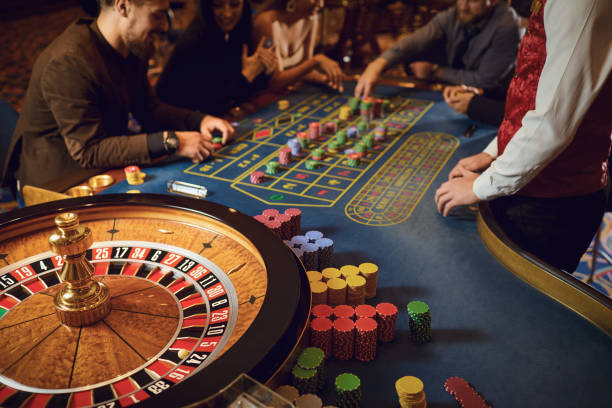
The cultural significance of gambling across the globe is a testament to its enduring presence in human society. From ancient rituals to modern digital platforms, gambling continues to reflect the complexities of human behavior, social interaction, and cultural values. As societies evolve, so too will gambling practices, necessitating an ongoing dialogue about its implications for individuals and communities alike.
Looking to the future, it is essential to consider the potential impact of technological advancements on gambling culture. The rise of virtual reality and augmented reality in gaming could revolutionize the way people engage with gambling, providing immersive experiences that further intertwine chance and culture. As these technologies develop, understanding their implications will be crucial for balancing enjoyment with responsible gaming practices.

